
A gluten free diet remains the only treatment available for coeliac disease and other gluten-related disorders. Management of these conditions and their symptoms relies entirely on accurate dietary adherence1.
While adherence typically improves with experience, individuals don’t always have complete control over how their food is prepared, which often leads to accidental gluten ingestion.
Accidental gluten ingestion
Accidental gluten ingestion is the unintentional consumption of gluten despite efforts to ensure a meal or food item is gluten free.
Often described as being “glutened”, this experience is not the result of carelessness or deliberate choice. Instead, it reflects the reality of eating food prepared by others, where there is limited control over ingredients and preparation methods.
Gluten free foods are often prepared or served in environments where gluten is also present, making it difficult to entirely eliminate the risk of exposure.
Several studies suggest that most individuals on a strict gluten free diet regularly consume enough gluten to trigger symptoms and other unwanted effects2.
Common causes include:

Shared environments: Using the same utensils, equipment, or surfaces for glutencontaining and gluten free foods during manufacturing, storage, preparation, or service.

Unclear labelling: Mislabelled foods or ingredients, or product labels that are difficult to read or inconsistently formatted.

Human error: Mix ups, unfamiliarity with gluten sources, misreading ingredient lists, distractions, or simply forgetting.

Misunderstandings: Miscommunication in busy environments, differing interpretations of gluten free requirements, or cultural and language barriers.
Where does accidental gluten ingestion happen?
Unintentional gluten exposure typically occurs in situations where food is prepared outside of one’s control, such as:

The impact of accidental gluten ingestion
For individuals following a gluten free diet, accidental gluten ingestion can be an ongoing source of stress. Even as little as 10mg of gluten (a few breadcrumbs) can trigger symptoms in the most sensitive individuals3. Symptoms vary in type, timing, and severity, and may disrupt daily routines or important plans.
The risk of being “glutened” can lead to increased anxiety around gluten free dining, where control over food preparation is limited4. This anxiety can manifest as food-related hypervigilance and social withdrawal4,5. While these behaviours are intended to reduce risk, they can ultimately contribute to a lower quality of life4,5.


How GluteGuard offers protection
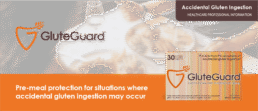
GluteGuard is the world’s only clinically proven protection from symptoms of accidental gluten ingestion6,7.
GluteGuard is recommended to be taken 5–15 minutes before eating, whenever there’s a risk of being “glutened”. This way, GluteGuard’s enzymes are ready to act in the small intestine, helping to break down gluten peptides before they interact with the intestinal lining and trigger symptoms.
This added protection helps individuals approach gluten free dining, social occasions, and travel with greater confidence.
Want a chance to win $1,000?
Simply answer the quiz question correctly and you’ll be in the draw to win!
References
1. Sapone A, et al. Spectrum of gluten-related disorders: consensus on new nomenclature and classification. BMC Med. 2012 Feb 7;10(1):13.
2. R Wieser H, et al. Challenges of monitoring the gluten-free diet adherence in the management and follow-up of patients with celiac disease. Nutrients. 2021 Jun 30;13(7):227.
3. Catassi C, et al. A prospective, double-blind, placebo-controlled trial to establish a safe gluten threshold for patients with celiac disease. Am J Clin Nutr. 2007 Jan 1;85(1):160-166.
4. Lee AR, et al. Factors Associated with Maladaptive Eating Behaviors, Social Anxiety, and Quality of Life in Adults with Celiac Disease. Nutrients. 2021; 13(12):4494.
5. Wolf RL, et al. Hypervigilance to a gluten-free diet and decreased quality of life in teenagers and adults with celiac disease. Dig Dis Sci. 2018 Jun;63(6):1438-48.
6. Cornell HJ, et al. The effect of enzyme supplementation on symptoms and duodenal histology in celiac patients. Int J Celiac Dis. 2016;4:40-47.
7. Żebrowska A, et al. The effect of enzyme therapy on skin symptoms and immune responses in patients with dermatitis herpetiformis. Int J Celiac Dis. 2014;2(2):58-63.
A gluten free diet remains the only treatment available for coeliac disease and other gluten-related disorders. Management of these conditions and their symptoms relies entirely on accurate dietary adherence1.
While adherence typically improves with experience, individuals don’t always have complete control over how their food is prepared, which often leads to accidental gluten ingestion.
Accidental gluten ingestion
Accidental gluten ingestion is the unintentional consumption of gluten despite efforts to ensure a meal or food item is gluten free.
Often described as being “glutened”, this experience is not the result of carelessness or deliberate choice. Instead, it reflects the reality of eating food prepared by others, where there is limited control over ingredients and preparation methods.
Gluten free foods are often prepared or served in environments where gluten is also present, making it difficult to entirely eliminate the risk of exposure.
Several studies suggest that most individuals on a strict gluten free diet regularly consume enough gluten to trigger symptoms and other unwanted effects2.
Common causes include:
Shared environments: Using the same utensils, equipment, or surfaces for glutencontaining and gluten free foods during manufacturing, storage, preparation, or service.
Unclear labelling: Mislabelled foods or ingredients, or product labels that are difficult to read or inconsistently formatted.
Human error: Mix ups, unfamiliarity with gluten sources, misreading ingredient lists, distractions, or simply forgetting.
Misunderstandings: Miscommunication in busy environments, differing interpretations of gluten free requirements, or cultural and language barriers.
Where does accidental gluten ingestion happen?
Unintentional gluten exposure typically occurs in situations where food is prepared outside of one’s control, such as:
The impact of accidental gluten ingestion
For individuals following a gluten free diet, accidental gluten ingestion can be an ongoing source of stress. Even as little as 10mg of gluten (a few breadcrumbs) can trigger symptoms in the most sensitive individuals3. Symptoms vary in type, timing, and severity, and may disrupt daily routines or important plans.
The risk of being “glutened” can lead to increased anxiety around gluten free dining, where control over food preparation is limited4. This anxiety can manifest as food-related hypervigilance and social withdrawal4,5. While these behaviours are intended to reduce risk, they can ultimately contribute to a lower quality of life4,5.
How GluteGuard offers protection
GluteGuard is the world’s only clinically proven protection from symptoms of accidental gluten ingestion6,7.
GluteGuard is recommended to be taken 5–15 minutes before eating, whenever there’s a risk of being “glutened”. This way, GluteGuard’s enzymes are ready to act in the small intestine, helping to break down gluten peptides before they interact with the intestinal lining and trigger symptoms.
This added protection helps individuals approach gluten free dining, social occasions, and travel with greater confidence.
How GluteGuard offers protection
GluteGuard is the world’s only clinically proven protection from symptoms of accidental gluten ingestion6,7.
GluteGuard is recommended to be taken 5–15 minutes before eating, whenever there’s a risk of being “glutened”. This way, GluteGuard’s enzymes are ready to act in the small intestine, helping to break down gluten peptides before they interact with the intestinal lining and trigger symptoms.
This added protection helps individuals approach gluten free dining, social occasions, and travel with greater confidence.
Want a chance to win $1,000?
Simply answer the quiz question correctly and you’ll be in the draw to win!
Want a chance to win $1,000?
Simply answer the quiz question correctly and you’ll be in the draw to win!
References
1. Sapone A, et al. Spectrum of gluten-related disorders: consensus on new nomenclature and classification. BMC Med. 2012 Feb 7;10(1):13.
2. R Wieser H, et al. Challenges of monitoring the gluten-free diet adherence in the management and follow-up of patients with celiac disease. Nutrients. 2021 Jun 30;13(7):227.
3. Catassi C, et al. A prospective, double-blind, placebo-controlled trial to establish a safe gluten threshold for patients with celiac disease. Am J Clin Nutr. 2007 Jan 1;85(1):160-166.
4. Lee AR, et al. Factors Associated with Maladaptive Eating Behaviors, Social Anxiety, and Quality of Life in Adults with Celiac Disease. Nutrients. 2021; 13(12):4494.
5. Wolf RL, et al. Hypervigilance to a gluten-free diet and decreased quality of life in teenagers and adults with celiac disease. Dig Dis Sci. 2018 Jun;63(6):1438-48.
6. Cornell HJ, et al. The effect of enzyme supplementation on symptoms and duodenal histology in celiac patients. Int J Celiac Dis. 2016;4:40-47.
7. Żebrowska A, et al. The effect of enzyme therapy on skin symptoms and immune responses in patients with dermatitis herpetiformis. Int J Celiac Dis. 2014;2(2):58-63.